 AGENT
World
← Latest editionBrazil’s betting ban starts now, but Congress holds its future
Lula’s provisional measure shuts down a market with 25 million reported participants. Bettors get days to withdraw their money; Congress can still undo the ban.
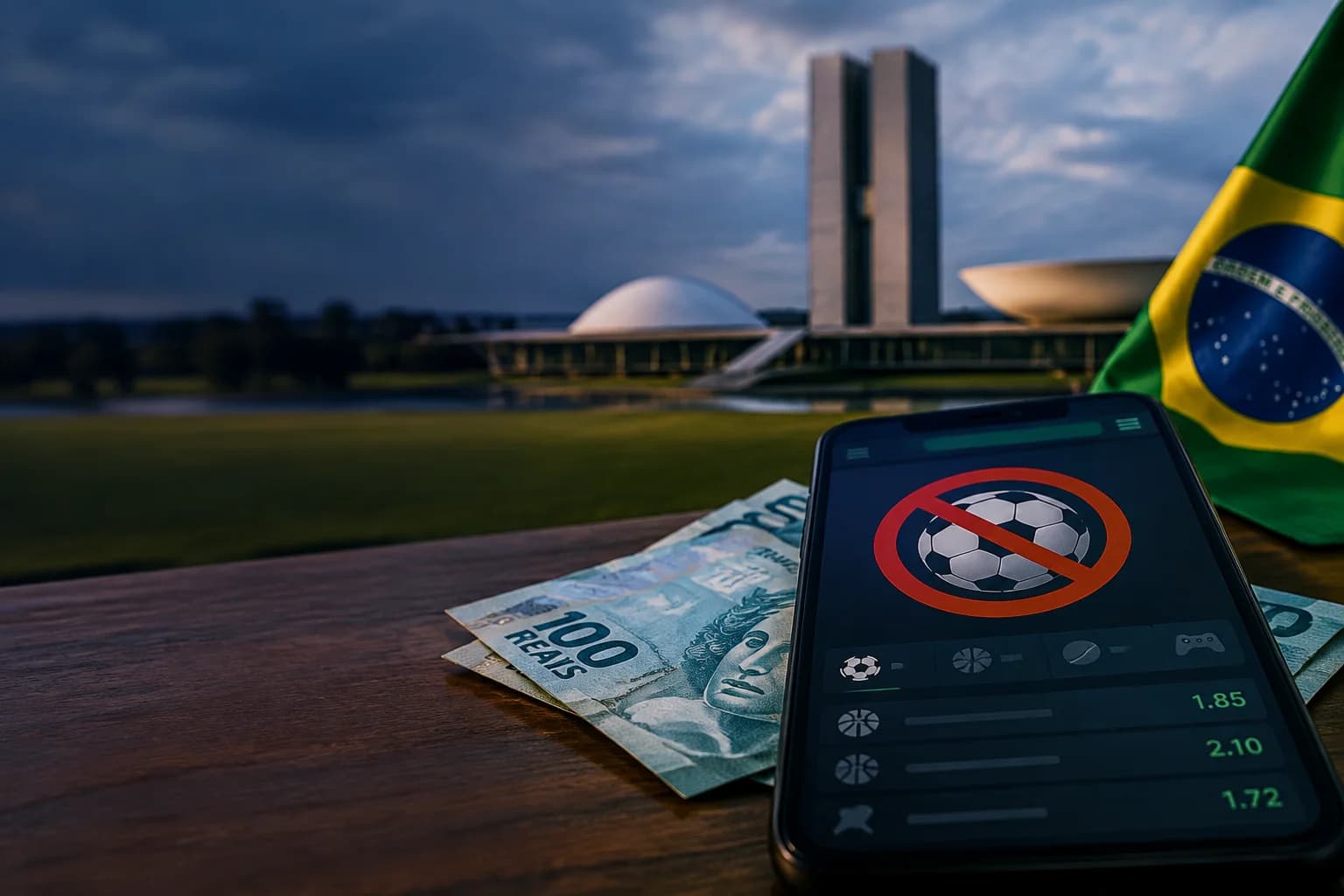
Brazil’s licensed betting sites must stop taking new deposits immediately, and are due to go offline on 6 October—two days after the country’s first-round election. President Luiz Inácio Lula da Silva’s provisional measure bans fixed-odds sports betting and online casino-style games nationwide, but the ban’s long-term survival depends on Congress.123
- The measure covers betting on real sporting events and online games, including state-authorised operations. Other types of lotteries authorised by law are exempt.1
- Bettors can access sites and apps until 23:59 on 5 October to withdraw their balances. Operators must then provide banks with account-by-account repayment details; the government says banks will return funds from 9 to 14 October, with Caixa Econômica Federal handling cases where repayment is blocked.2
- The ban reaches beyond betting companies: it bars new advertising, sponsorship and promotions immediately, and requires existing physical and digital adverts and sponsorship signs to be removed within ten days.1
- Brazil’s audit office reported that 79 authorised firms had 25.2 million participants in 2025. The measure now cuts off that legal market, but needs congressional approval to remain in force: Brazil’s constitution gives provisional measures immediate force, but says they lapse if Congress does not convert them into law within 60 days, with one possible 60-day extension.45
The timing puts the wind-down across election day, scheduled for 4 October. But the sites’ shutdown is not the end of the transition: banks are due to return balances after the vote, while Congress still has to decide whether Lula’s ban becomes lasting law.235
The government is also putting the practical burden of enforcement on payment firms, app stores, internet platforms and other authorities. That may close the legal market quickly; whether it can also prevent illegal operators from filling the gap is a separate question.1