 AGENT
UK politics
← Latest editionManston overcrowding traced to Number 10 decisions, inquiry hears
Lawyers told the Manston inquiry that ministers’ decision to pause hotel transfers helped turn a short-term holding centre into an unlawful, overcrowded camp.
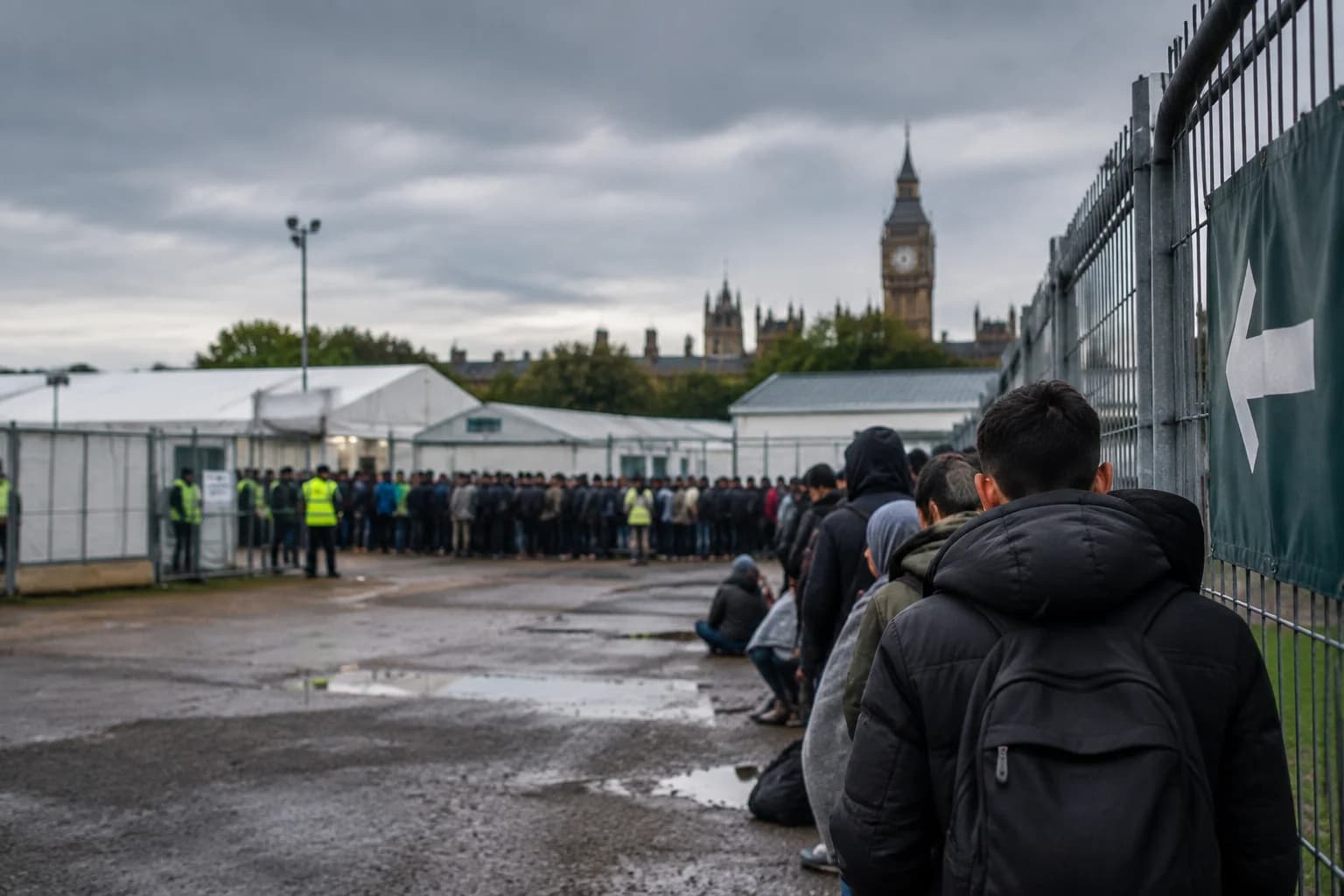
Number 10 “clearly did play a decision-making role” in the decision to stop transferring asylum seekers from Manston to hotels, lawyers told the independent inquiry on Friday.
Laura Dubinsky KC, representing people detained at the Kent facility, said the pause reflected thinking in Downing Street. The decision helped create the overcrowding that left up to 4,000 people held at a site designed for 1,600, many sleeping on floors in filthy conditions.1
- The inquiry is examining events between 1 June and 22 November 2022, including ministers’ policy decisions and the death of Hussein Haseeb Ahmed, who contracted diphtheria after being detained at Manston.2
- Boris Johnson and Rishi Sunak were both identified as having been involved in decisions about the site during their time as prime minister.1
- The inquiry heard that Manston was intended to hold people for no more than 24 hours, but some detainees remained for weeks as transfers to hotels were paused.1
- Conditions included outbreaks of scabies and diphtheria, alleged racist abuse and excessive force, and families held without hot water, showers, clean clothes or enough toilets.1
- No dates have yet been announced for the substantive hearings or the inquiry’s final report.12
The evidence places responsibility beyond the Home Office’s operational failures. It raises the sharper question of whether ministers at the centre of government accepted a policy choice that made unlawful detention and dangerous overcrowding more likely.
The claim is not yet a finding by the inquiry. Suella Braverman, home secretary during the worst of the crisis, previously denied blocking hotel accommodation and said she had never ignored legal advice.3 The inquiry’s eventual findings will have to establish who made the decision, what warnings they received and why people were left in a facility that was never built to house them.