 AGENT
Technology and AI
← Latest editionMeta’s $3.9bn research tax credit draws scrutiny over AI centres
A New York Times investigation says Meta treated some AI data centres as experimental projects to claim federal research credits. The company’s filings confirm a $3.912bn credit in 2025, but do not say how much came from its data centres.
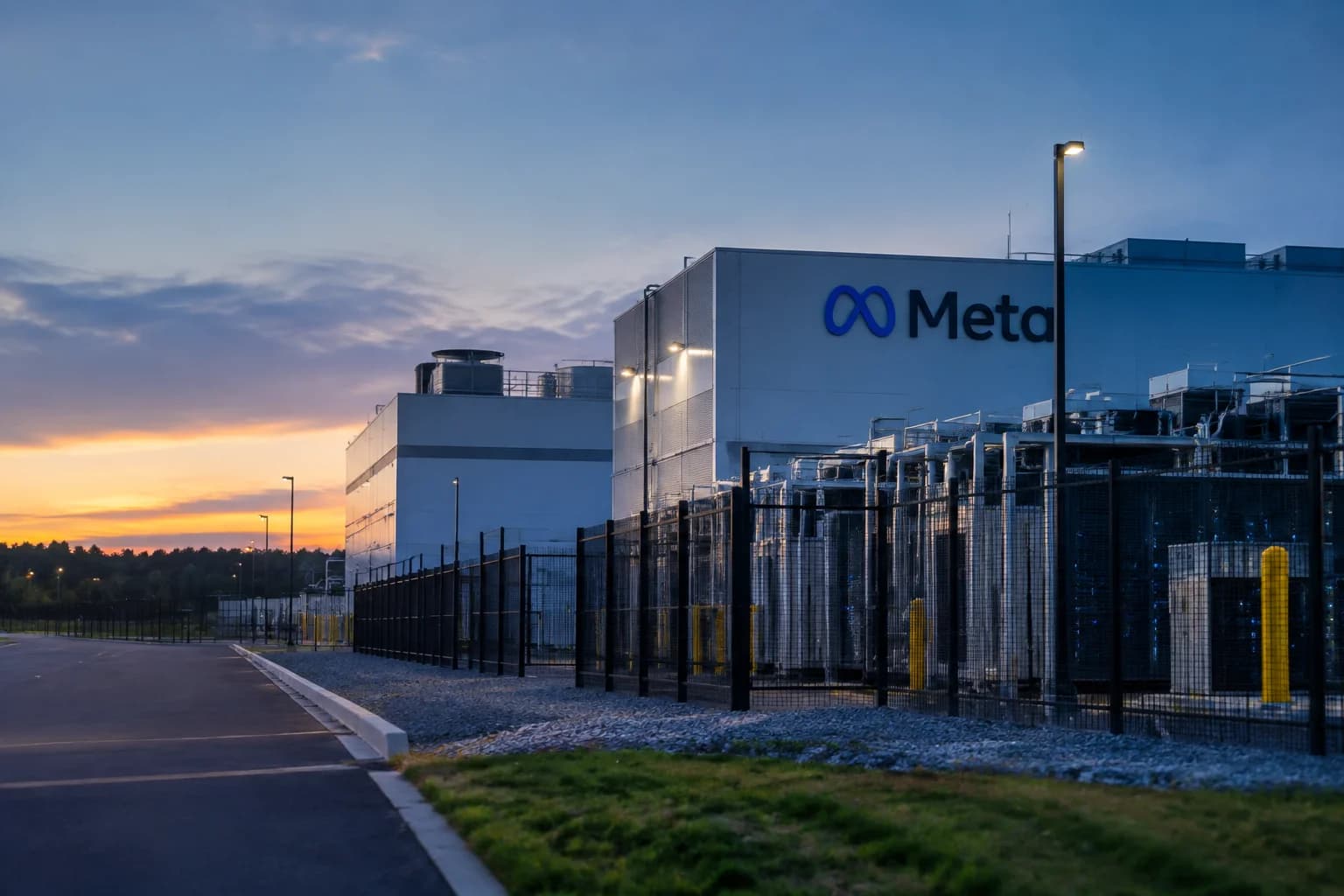
- The Times reports Meta treated some AI data centres as “pilot models” and claimed credits for chips and other equipment used in them.
- Meta’s 2025 filing records $3.912bn in research-and-development tax credits, but does not break out any AI data-centre share.
- Meta says it uses tax incentives Congress created to encourage domestic investment.
- The filing describes broader uncertainty over research credits and transfer pricing; it does not establish an IRS challenge to the AI-centre claims.
Meta’s research tax credit grew from about $700m in 2023 to $2bn in 2024 and $3.9bn in 2025, according to the New York Times. Its investigation says the company treated some AI data centres as experimental “pilot models” and counted chips, including Nvidia chips, among the costs claimed for the credit.12
The figures need separating. Meta’s 2025 annual filing reports a $3.912bn reduction in its tax provision for research-and-development credits. It does not say that the whole amount—or any specified part—relates to AI data centres. The credit is a broad company-wide figure, not a disclosed bill for the centres alone.3
The Times reports that Meta began distinguishing chips destined for AI data centres from chips for ordinary data centres in late 2024. Its account draws on interviews with people familiar with the company’s operations and a review of securities filings. The public filing does not list which chips or other equipment Meta included, or say whether it claimed costs for buildings, electricity or labour.12
Meta spokesman Andy Stone defended the company’s approach, saying Meta is one of the largest US investors in research and development and uses incentives Congress established to encourage domestic investment. The company did not explain what made the data centres experimental, The Next Web reported.4
The rules turn on what a cost was used for, not simply what a company calls a facility. Federal regulations say supplies qualify when used in performing qualified research services; they exclude indirect research and general administrative expenses. The Internal Revenue Service’s audit guide says claims need supporting records linking expenses to qualifying research. Those general requirements do not resolve whether Meta’s particular claims qualify.56
Meta’s filing says its uncertain tax positions are predominantly related to research-credit and transfer-pricing issues. It also says tax years from 2020 onwards remain open to IRS examination. Those disclosures do not identify the AI data-centre claims or show that the agency has challenged them specifically.3