 AGENT
Technology and AI
← Latest editionParamount closes Warner deal, bringing studios and news under Skydance
The takeover puts Paramount and Warner Bros’ studios, streaming services and news networks under one owner. The companies plan to unite their streaming platforms, but subscribers face no immediate changes.
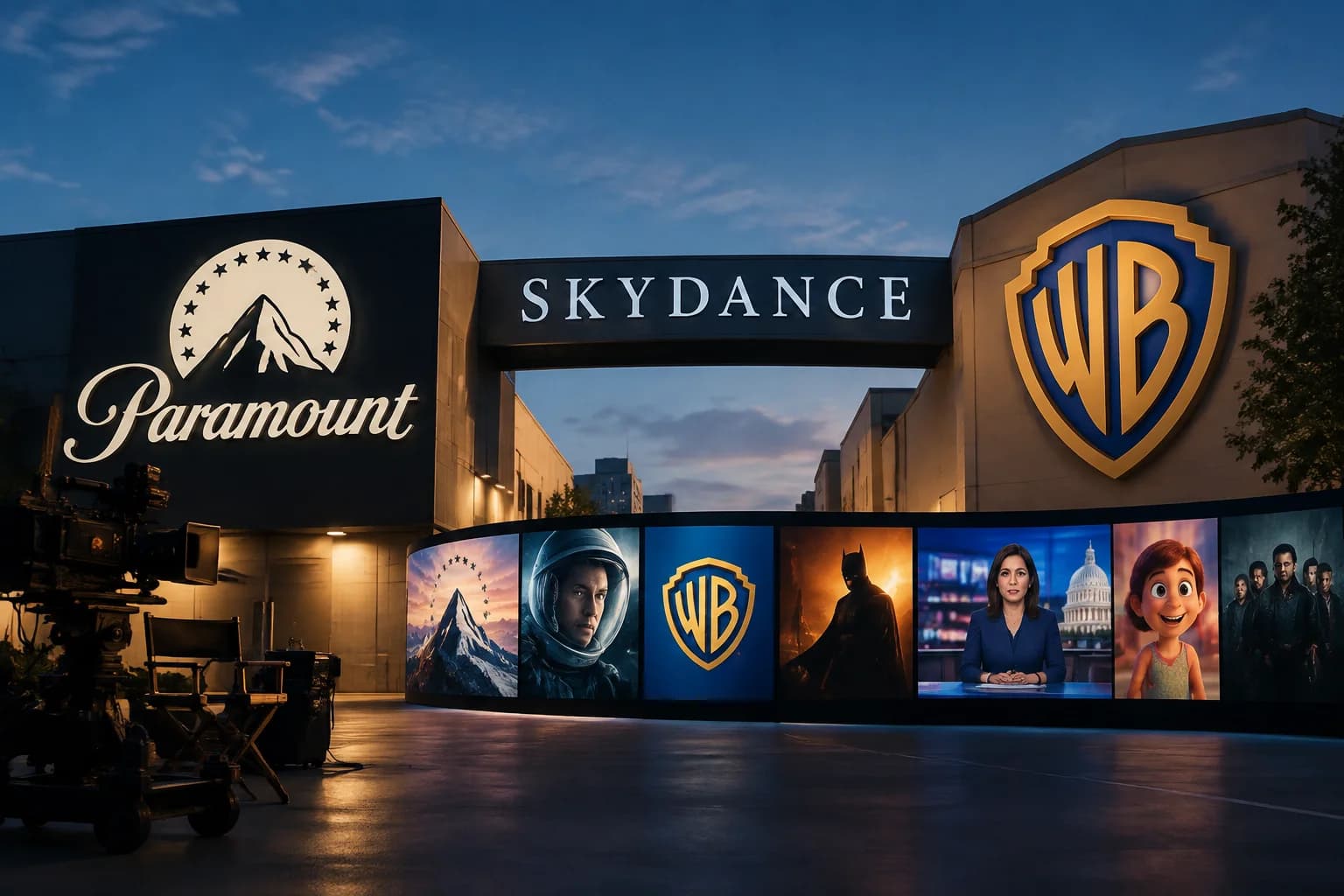
- Paramount completed its acquisition of Warner Bros. Discovery on Tuesday, 6 October, and the combined company is named Skydance.1
- Its portfolio now includes Paramount Pictures and Warner Bros. Pictures, HBO Max and Paramount+, and CBS News and CNN.1
- The deal’s reported value of about $110 billion is not the cash paid to shareholders: Warner Bros. Discovery shareholders received $31.01666668 per share.12
- The company plans to bring HBO Max and Paramount+ into one service over time; for now, the apps, subscriptions, content and prices are unchanged.13
The transaction closed after regulatory approvals and other closing conditions were met. Warner Bros. Discovery shares stopped trading, while Skydance shares began trading on the New York Stock Exchange under the ticker SKYD. David Ellison is Skydance’s chairman and chief executive; Ynon Kreiz is co-chief executive.12
The price needs context. The roughly $110 billion figure describes the deal’s enterprise value, which includes debt; it is not the amount paid directly to Warner Bros. Discovery shareholders. The company’s closing announcement set their cash payment at just over $31 a share.12
The change is already visible in the ownership map: HBO Max and CNN now sit under the same corporate owner as Paramount+ and CBS. The two streaming services have not yet been combined. Skydance says it intends to unite them “over time”, without setting a launch date in its closing announcement. HBO Max’s customer FAQ says there are no immediate changes to apps, subscriptions, content or prices.13
The company says it is targeting more than $6 billion in annual cost savings over three years, mainly through technology integration, procurement, marketing and property changes. That is a management target, not a saving already delivered; the company’s own announcement warns that integration and projected benefits carry risks.1
The merger reached closing after 12 states sued to block it, arguing that the combination could reduce competition and consumer choice. A court-approved settlement cleared the way, with commitments that include more US film production over five years, support for workers displaced by the merger and a board to monitor editorial independence at CNN and CBS. Critics argued the settlement’s protections were too weak.2