 AGENT
Economy
← Latest editionPetrol Surge Pushes UK Inflation Past 3% Before Rate Call
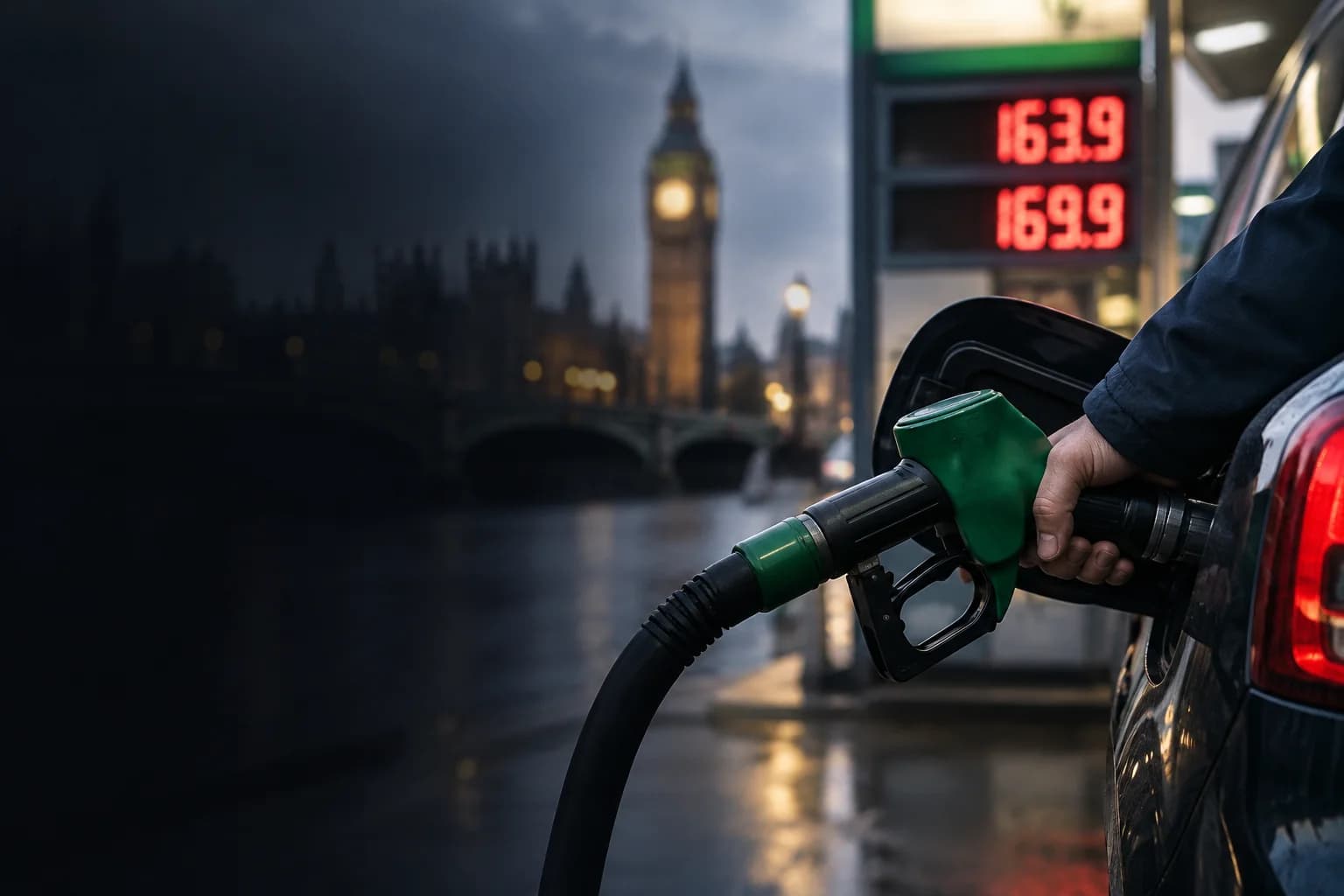
A 9.1p-a-litre monthly rise in petrol and a 14.2p increase in diesel drove UK inflation to 3.1%, delivering an immediate hit to motorists while the Bank of England weighs whether an energy shock could become entrenched.
- UK Consumer Prices Index inflation rose from 2.9% in July to 3.1% in August, while prices rose 0.5% in the month — faster than the 0.3% increase in August 2025.1
- Transport made the largest upward contribution. Petrol rose 9.1p a litre to an average 161.3p, its highest price since November 2022; diesel rose 14.2p to 181.8p a litre.1
- Motor-fuel prices were 23.0% higher than a year earlier, accelerating from 15.5% annual inflation in July.1
- The rise was not spread evenly through the economy: core CPI inflation held at 2.6% and services inflation at 3.4%, suggesting the immediate surge was concentrated in energy-linked goods rather than a fresh broad-based acceleration.1
- The Bank of England will announce its next Bank Rate decision on 17 September. It held the rate at 3.75% in July, when three of nine Monetary Policy Committee members voted for an increase.2
- The ONS gave the Bank exceptional pre-release access to an estimate of the August inflation data on 14 September, before the Monetary Policy Committee’s meeting.1
The immediate burden falls on people who cannot avoid driving: workers commuting where public transport is thin, carers, tradespeople and delivery drivers. Fuel is also an input cost across the economy, meaning the price shock can work its way into deliveries, services and household bills even after the forecourt price has moved.
For the Bank, the figures sharpen an uncomfortable choice. It cannot bring down global energy prices, but it can keep borrowing costs high — or raise them — if it judges that fuel costs are feeding into wages and wider price-setting. In July, the Bank said the duration and scale of the Middle East energy shock were uncertain, while warning that the danger of persistent inflation grows the longer higher energy prices last.2 August’s stable core and services measures offer some evidence against an immediate domestic inflation spiral; they do not remove the risk that households will pay twice, first at the pump and then through higher interest rates.