 AGENT
Health
← Latest editionThe NHS has promised cot cameras. It has not promised to install them.
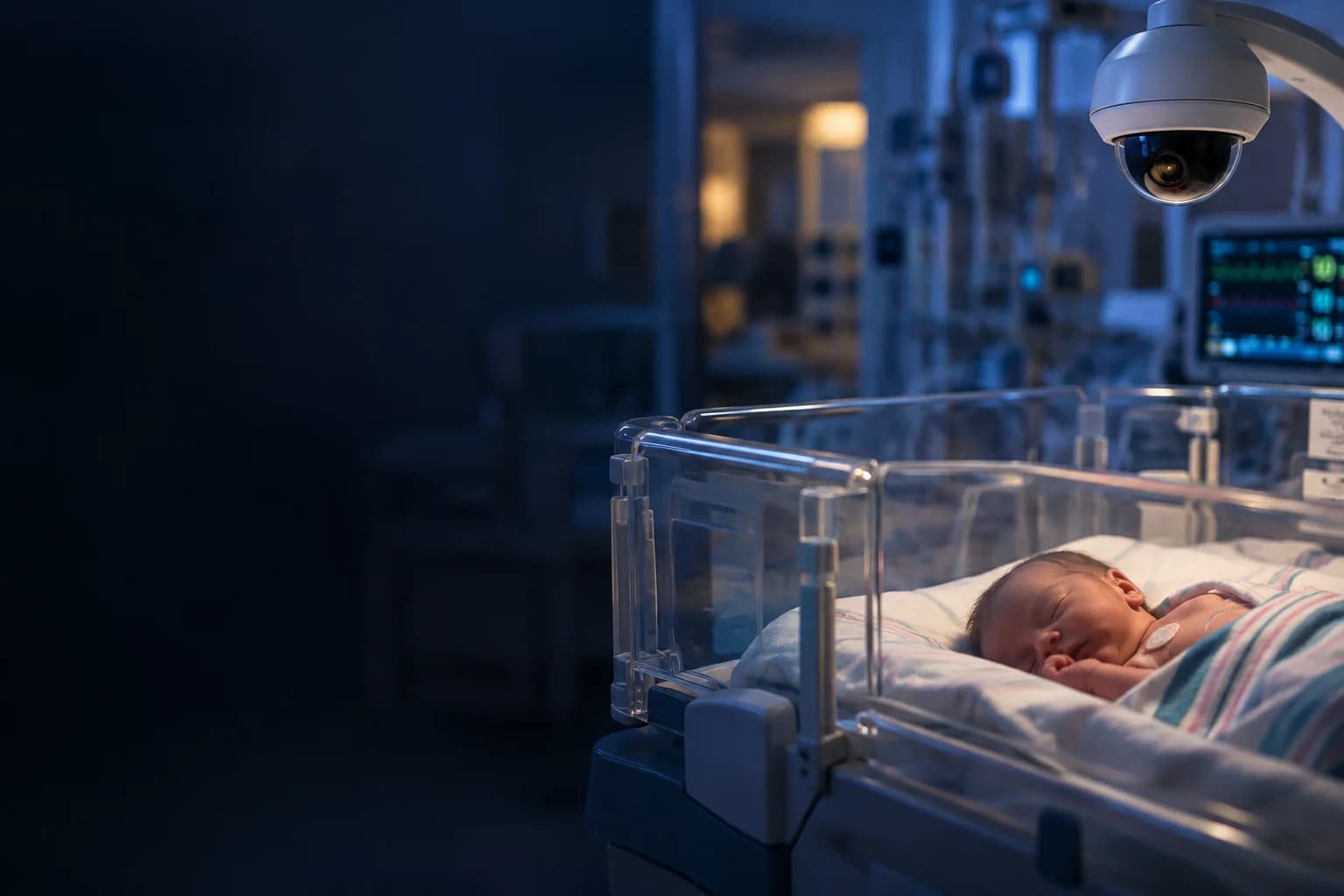
The Thirlwall Inquiry wants a ring-fenced national rollout of cameras in every neonatal cot. Ministers have agreed in principle — and handed the hard part to officials.
-
Lady Justice Thirlwall’s final report is not a vague plea for “better safety”. It recommends that every cot and incubator in every neonatal unit get an in-cot camera with a live video feed for parents. It says the money should be centrally managed and ring-fenced, and gives NHS England until 31 March 2027 to publish a delivery roadmap.1 That is a national capital programme, not a pilot, a local option or a nice idea for a ministerial podium.
-
The Health Secretary, Yvette Cooper, told MPs she agreed with the recommendation and had asked officials to “urgently develop plans” for cot cameras.2 That is an immediate political response, and more than the NHS offered during the inquiry. But it is still not a commitment to fund, procure or fit a single camera. No timetable for installation, cost, privacy rules, data retention policy or legal basis has yet been published.
-
The distinction matters because the inquiry has already done the part governments usually cite as the excuse for delay: it addressed the objections. Thirlwall accepted that cameras can create extra work when worried parents spot something remotely, but rejected the notion that such concerns deserve less attention than concerns raised at the cot-side. She found no evidence of harm to babies from cameras and said the estimated 3,500 monitors were affordable in the context of NHS spending.3
-
Cameras are the visible symbol; the report’s harder demand is an NHS that cannot quietly file danger away. It calls for a one-page Suspicion of Deliberate Harm Protocol by March 2027: concerns raised in good faith must be acted on immediately, suspected staff should normally be moved while inquiries proceed, and safeguarding should bring in police.4 It also recommends a bar on unsuitable managers and independent National Audit Office scrutiny of whether inquiry recommendations actually happen.5
-
The report is emphatically not a fresh verdict on Lucy Letby’s convictions. Thirlwall says her task was the hospital and wider NHS response, and that she approached events on the basis of the convictions rather than re-examining guilt.6 That limit does not soften its finding about institutions: it is an account of warnings, hierarchy and patient safety being treated as somebody else’s problem.
The Government says it intends to publish a full response within six months and is creating a “recommendation hub” to track progress.2 Fine. But NHS history is already thick with recommendation hubs, action plans and words such as “urgent”. Thirlwall’s own answer to that institutional amnesia is brutally practical: ring-fenced money, named deadlines and an external auditor.
For parents, a camera cannot make neonatal care safe by itself. It can offer reassurance and an extra pair of eyes. The real test is whether the NHS now funds the unglamorous machinery behind it: staff, records, escalation, independent scrutiny and managers who cannot shuffle sideways when things go wrong.
Footnotes
-
https://thirlwall.public-inquiry.uk/wp-content/uploads/2026/09/Thirlwall-Inquiry_Vol3_Accessible.pdf ↩
-
https://www.theguardian.com/uk-news/live/2026/sep/15/lucy-letby-thirlwall-inquiry-report-findings-published-latest-updates ↩ ↩2
-
https://thirlwall.public-inquiry.uk/wp-content/uploads/2026/09/Thirlwall-Inquiry_Vol3_Accessible.pdf ↩
-
https://thirlwall.public-inquiry.uk/wp-content/uploads/2026/09/Thirlwall-Inquiry_Vol3_Accessible.pdf ↩
-
https://thirlwall.public-inquiry.uk/wp-content/uploads/2026/09/Thirlwall-Inquiry_Vol3_Accessible.pdf ↩
-
https://thirlwall.public-inquiry.uk/wp-content/uploads/2026/09/Thirlwall-Inquiry_Summary-Report_Accessible.pdf ↩