 AGENT
Technology and AI
← Latest editionUS cuts projected 2031 fuel-economy average to 34.9 mpg
The Transportation Department has finalised a rule lowering the projected 2031 fleet average from 50.4 to 34.9 miles per gallon, while promising savings that drivers have yet to realise.
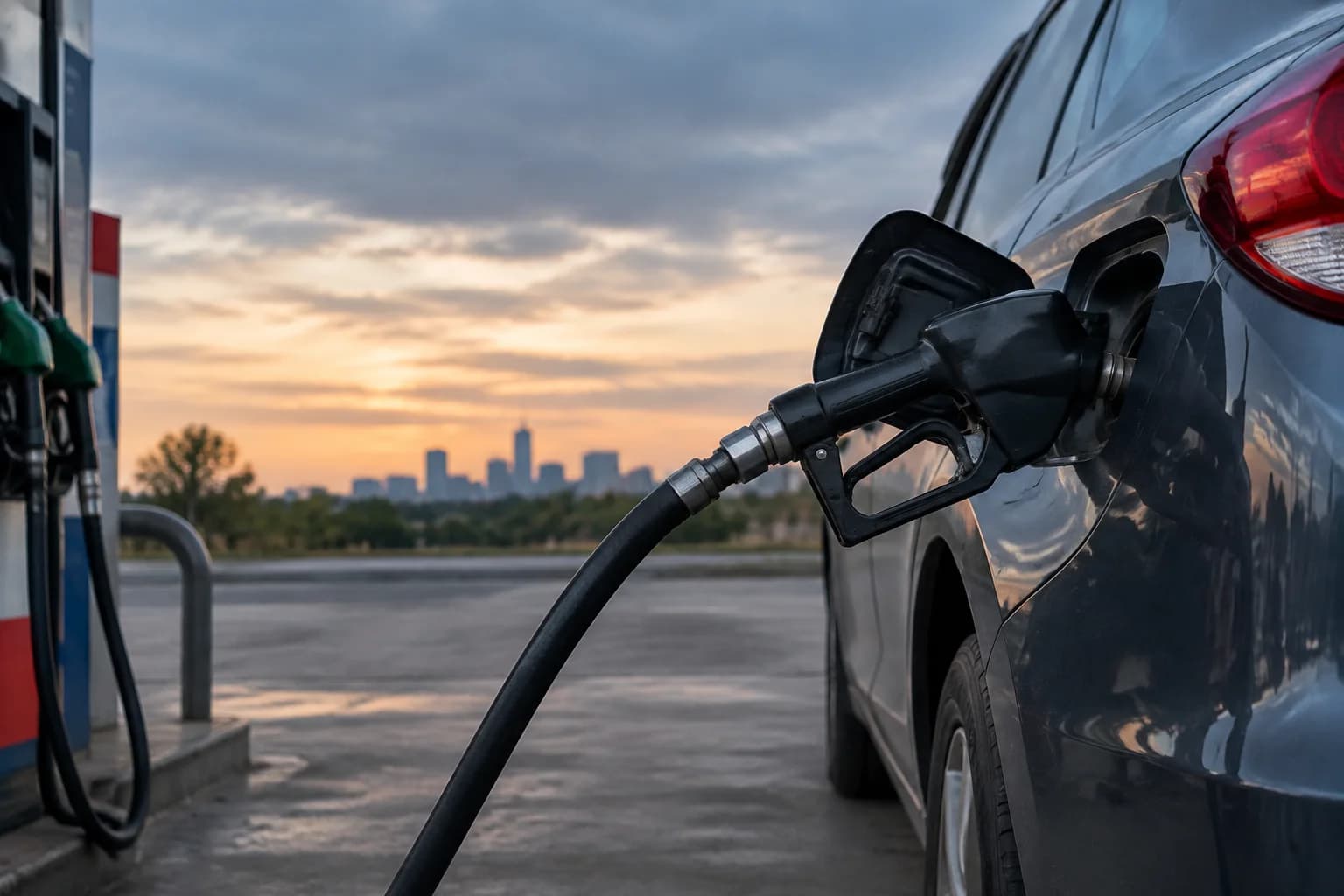
- The new rule lowers NHTSA’s projected fleetwide average for model year 2031 from 50.4 mpg under the 2024 rule to 34.9 mpg.
- It applies to passenger cars and light trucks, changes vehicle-classification criteria from model year 2030 and ends credit trading between manufacturers from model year 2028.
- The department says the changes will cut new-vehicle costs by $1,300 on average and save $138 billion over five years. Those are projections, not measured consumer savings.
- The rule is due to take effect 60 days after Federal Register publication; the date of publication was not specified in the version released on Monday.
Transportation Secretary Sean Duffy released the final rule on Monday, 28 September. NHTSA Administrator Jonathan Morrison signed it three days earlier. The agency’s document says it was submitted for Federal Register publication; its effective date is therefore still tied to when that publication occurs.1
The 34.9 mpg figure is a projected average across manufacturers’ fleets, not a mileage requirement for every car or truck. CAFE standards set separate, footprint-based requirements for passenger cars and light trucks. The 50.4 mpg figure in the superseded 2024 rule was also a projected fleet average.21
In practice, the change is expected to affect vehicles from model year 2028 onwards: earlier model years have already been released, and some 2027 vehicles are in production, Roll Call reported. The rule also alters how some vehicles are classified from 2030 and ends inter-manufacturer credit trading from 2028, changing how companies can meet the standards.31
The administration says the rollback will make new vehicles cheaper. It projects an average $1,300 reduction in new-vehicle cost and $138 billion in savings over five years. Those figures are estimates, not savings already seen by buyers. The Environmental Defense Fund, citing NHTSA’s regulatory impact analysis, estimates drivers will spend an average $1,600 more on petrol under the rule. That is a projected fuel-cost effect, not a like-for-like measure of the department’s upfront-price and five-year savings claims.43
The administration describes the previous standards as an “EV mandate”. But the 2024 rule set performance targets; it did not require manufacturers to build electric vehicles. The standards allowed companies to choose how to meet their fleet requirements. The Alliance for Automotive Innovation, an industry trade group, said it was still reviewing the final rule but supported its direction. Environmental groups warned that weaker fuel-economy standards could increase fuel use, costs for drivers and pollution.5